
"blend differences"
6000 article(s) found

Coffee blending skills, Italian espresso beans how to match the guests' favorite taste!
The exchange of professional baristas please follow the coffee workshop (Wechat official account cafe_style) mixed coffee, also known as blended coffee roaster to understand the characteristics of each kind of coffee beans, and artistically mix them to create a desired new flavor. The knowledge of roasters mixing coffee beans can be said to be the highest industry secret. Almost all the Italian coffee is popular nowadays.
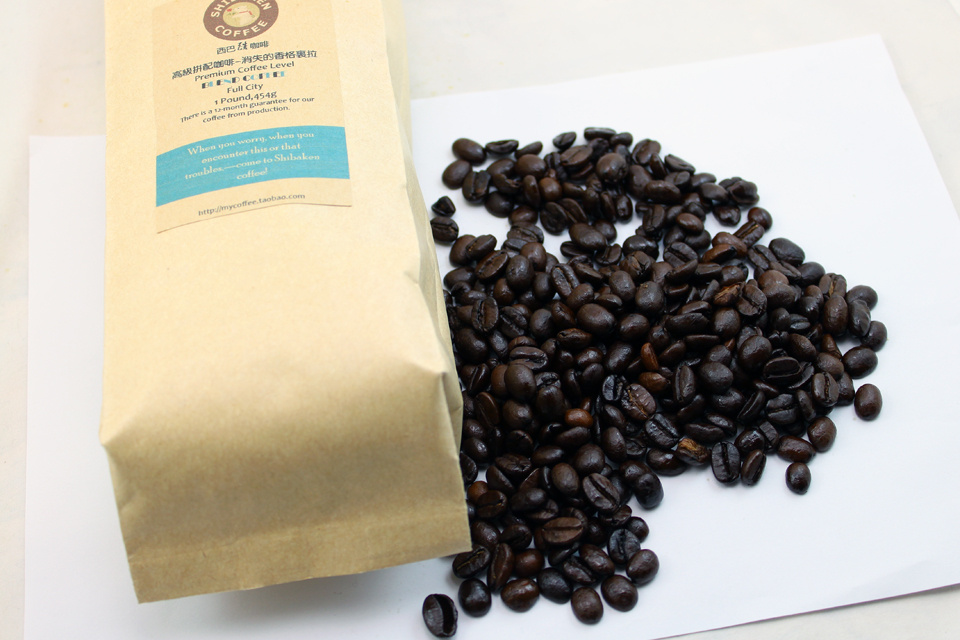
What is mixed coffee Italian coffee beans with which coffee beans are blended with special flavor characteristics
What is blended coffee? recently, new friends often ask me a question: what is blended coffee? Since I have asked too many questions, I will summarize my reply as follows: different coffee beans have different personalities due to different varieties and producing areas, and there are subtle differences in sour, bitter, sweet, aroma, mellow thickness and other flavors. Single coffee beans tend to show a certain

Why do Italian coffee beans have to be mixed? Italian Coffee Blending Scheme and Brewing Grind Introduction
Professional coffee knowledge exchange More coffee bean information Please pay attention to coffee workshop (Weixin Official Accounts cafe_style) First, the long-term stable supply of beans. Because coffee beans are seeds in coffee fruits, coffee fruits grow on coffee trees, and coffee beans in that year will naturally be affected by local rainfall, sunshine duration, temperature difference between day and night, and whether there are pests.

Blended coffee in season, also known as mixed coffee, is a mixture of various individual coffee beans.
Communication of professional baristas Please pay attention to the coffee workshop (Wechat official account cafe_style) different coffee beans have different personalities due to different varieties and producing areas, and there are subtle differences in sour, bitter, sweet, aroma, mellow thickness and other flavors. Single coffee beans often focus on the unique characteristics of a certain type of coffee. And blended coffee, also known as mixed coffee, is to combine each

Coffee blending knowledge Coffee blending requires constant cup testing? high-quality coffee blending
Blended coffee usually does not take the 1:1 blending ratio, because this may suppress each other's unique flavor, so the blending must be primary and secondary in order to produce a better taste than a single coffee. If you want the coffee to taste complex and changeable, you can reduce the proportion of raw beans, and vice versa. Blending coffee depends on constantly trying to test the cup, so before blending

The mixing of coffee beans
The ideal goal is, of course, to piece together a coffee that tastes better than any of them.
Mixed coffee is also called a color palette for blending coffee flavor.
Mixed coffee is also called blended coffee. Nowadays, almost all the popular Italian coffee belongs to the category of mixed coffee. We generally refer to two or more different varieties of coffee or the same variety of coffee but roast different degrees of coffee mixed together as mixed coffee. Mixed coffee is by no means a simple addition, but in the hope that the coffee can be treated by the blender.

High-quality coffee, common sense, mixing of coffee beans.
The ideal goal is, of course, to piece together a coffee that tastes better than any of them. But generally speaking, Arabica coffee from a single origin is enough to make coffee that tastes good for export; it has a delicate flavor, a soft taste and a sweet aftertaste. So there is no need to mix (that is, to combine coffee from different places). The main commercial purpose of blending coffee is to reduce it to

Bake first and then mix, or mix first and bake?
Is the relationship between mixing and baking first baked and then mixed, or is it first mixed and then baked? Which way is better? If you have a definite recipe, of course the easiest way is to mix the different coffee beans first and then roast them together. But if you're trying and comparing different blends and ratios, you'd want to roast the beans first.

Is it necessary to know the flavor and taste of coffee before blending coffee?
Before blending any coffee, you should first understand the taste characteristics of all kinds of coffee, and at least make it clear in your heart that the taste of the kind of coffee you want to mix can not be achieved by any single coffee. It would be a pity if the blended coffee doesn't taste better than one or more of them, and it would be better not to mix it. It is not necessary to mix coffee in general.

I would like to introduce the blending of coffee in detail.
Coffee has been loved by human beings since it was discovered. After a long time of development, people continue to develop coffee in order to taste more delicious coffee. Not only there are more and more kinds of coffee and more and more rich production tools, but also there are individual products and mixed products. A single cup of coffee means that a cup of coffee is made from one variety of coffee, while mixing goes through a variety of coffees.

Coffee blending and coffee roasting Italian coffee blending cappuccino coffee Italian blending
Coffee starts with origin and taste, and, of course, can't do without variety, because at first people only consume coffee grown in nearby areas. However, with the development of trade, the types of coffee are gradually mixed. Today, although good coffee from a single variety or origin can be directly cited, coffee is essentially a mixed drink, like champagne or some wine.

Domestic coffee bean brand ranks Yunnan coffee in China, the character of coffee is higher than that of the highest tin card variety, small grain coffee.
For professional baristas, please follow the coffee workshop (Wechat official account cafe_style). People need to piece together coffee from different places for several different purposes. The ideal goal, of course, is to piece together a coffee that tastes better than any of them. But generally speaking, Arabica coffee from a single place of origin is enough to make coffee that tastes good for export; fragrant

Coffee blending coffee bean blending is a complicated skill
There are more than 100 coffee producing areas in the world, and the coffee beans produced have their own characteristics. The purpose of mixing coffee beans is to balance the flavor of coffee and create an unparalleled delicacy. A single coffee bean generally lacks the complex flavor necessary to make delicious coffee. Many blends contain three to seven different types of beans. The master roaster knows the characteristics of each kind of coffee beans.

Coffee varieties Variety introduction Single coffee and mixed coffee
Single-Original coffee refers to coffee made from coffee beans from a single origin and harvest season. In order to express the regional flavor of different producing areas, fine coffee is often dominated by single products. There are also blends of beans from different harvest seasons or more than two different regions, which are called blends or blends. in most cases

About the mixing of coffee beans
The ideal goal is, of course, to piece together a coffee that tastes better than any of them. But generally speaking, Arabica coffee from a single origin is enough to make coffee that tastes good for export; it has a delicate flavor, a soft taste and a sweet aftertaste. So there is no need for "blending" (that is, putting together coffee from different places).

Various methods of coffee blending introduce the blending of fine coffee
Taste = Coffee Variety Sour Mocha, Kona, Mexico, Guatemala, Costa Rica SHB, Gilly Mazaro, Colombia, Delvado, Western Hemisphere washing quality New Bean bitter Java, Mantenin, Bogota, Congo, Uganda Colombia (Metning), Venezuela (aged coffee), Blue Mountains, Gillimanjaro, Mocha, dangerous Land
Coffee knowledge Coffee blending tips Coffee blending ratio introduction
Mocha has a good sour taste and has this and that flavor. This description is not enough. Yes, mocha is called sour coffee, but that's limited to a certain degree of roasting to release its rich acidity and aroma, not any degree of roasting. That is, a lightly baked mocha tastes like this, but a medium-baked mocha tastes like that.
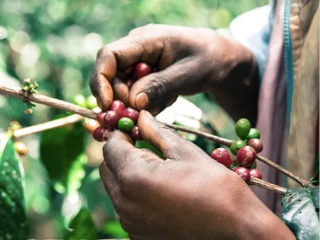
SOE is mostly sour? What does it mean? Is it a single bean? what's the difference between it and Italian blending?
What is SOE and what's the difference between it and matching? In fact, in the early years, Italian concentration did not have the concepts of blending and SOE, because people used SOE at that time. When transportation inconvenience information was underdeveloped, people could only use varieties from local producing areas as Italian beans, and it was precisely because they did not pay attention at that time.

Coffee blending introduction: using 2 or 6 kinds of coffee beans to match? what will be the taste after blending?
Since it is a blending, it naturally refers to the blending of more than two kinds of raw beans, but a special example is that the same kind of coffee beans with different roasting degrees can be matched together, or even the new crop and aged coffee or old crop of the same kind of coffee beans can be matched together, so the type referred to in the blending is no longer a coffee variety in a narrow sense, but extended to coffee in a broad sense.